Lesson Thirty
Living a Fruitful Life—Growth, Maturity, and Becoming a Blessing to Others
Many people believe a fruitful life is something you work toward
They associate fruitfulness with~
~ productivity
~ usefulness
~ impact
~ achievement
~ visible results
~ religious performance
~ being “enough” for others
So they strive to become fruitful by trying harder, doing more, and carrying greater responsibility.
But inside the trust, fruitfulness does not come from effort.
It comes from life.
This lesson is not about making yourself into a blessing.
It is about recognizing how blessing naturally flows from a life lived in alignment with God.
Fruit Is Not a Requirement — It Is a Result
Fruitfulness is never extracted.
It is not rushed.
It is not forced.
Fruit grows because the conditions are right.
Inside the trust, those conditions have been quietly forming~
~ fear has loosened
~ peace has settled
~ identity has stabilized
~ discernment has matured
~ partnership with God has become natural
Now, without pressure, something begins to emerge.
Not because you decided to be fruitful—
but because you are alive, rooted, and nourished.
Fruit Grows From Connection, Not Striving
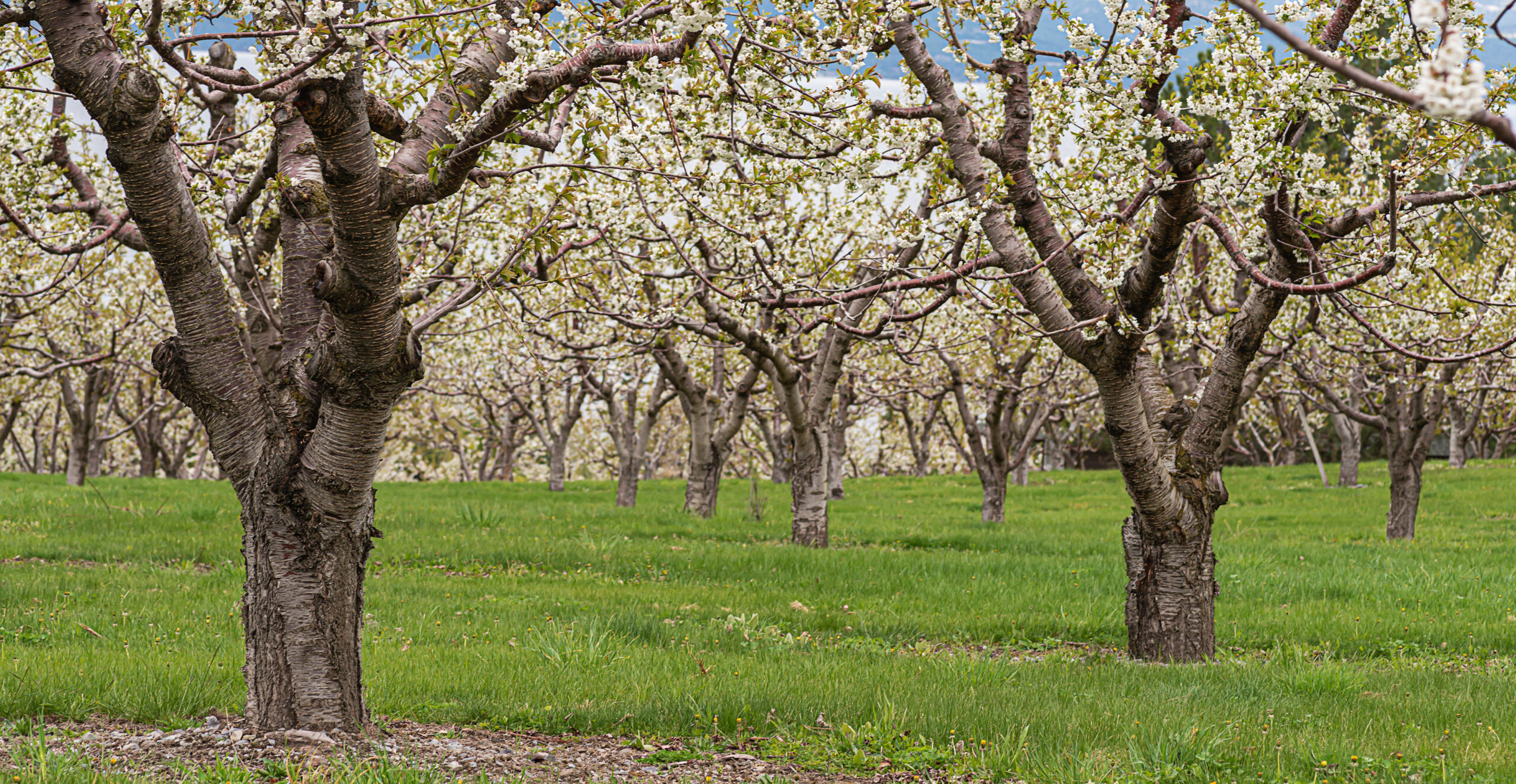
A tree does not strain to bear fruit.
It does not measure itself.
It does not compete.
It does not apologize for its pace.
It remains connected to its source—
and fruit appears in its proper season.
In the same way, a fruitful life flows from~
~ staying connected to God
~ living honestly instead of performing
~ responding instead of reacting
~ resting instead of striving
~ remaining aligned instead of anxious
Fruit is not something you add to your life.
It is what grows out of connection.
Becoming a Blessing Without Losing Yourself
Some people hesitate when they hear the word blessing.
Because in the past, being a blessing meant~
~ self-sacrifice without boundaries
~ giving beyond capacity
~ neglecting their own needs
~ being responsible for others’ outcomes
~ losing themselves to help others
That is not fruit.
That is depletion.
True fruitfulness never drains the tree that bears it.
Inside the trust, God grows fruit in ways that~
~ honor your limits
~ preserve your peace
~ strengthen your identity
~ deepen your joy
~ nourish others without exhausting you
What “Fruit” Actually Means
Fruit is the evidence of life.
It is not moral performance.
Not behavior modification.
Not religious output.
Not public recognition.
Fruit is character — not performance.
Fruit shows up in~
~ your peace
~ your patience
~ your compassion
~ your clarity
~ your steadiness
~ your boundaries
~ your words
~ your relationships
~ your decisions
~ your atmosphere
Fruit reveals what you are rooted in.
When fear is the root, fruit looks like~
control, anxiety, urgency, comparison, exhaustion.
When God is the root, fruit looks like~
peace, patience, steadiness, love, wisdom, presence.
Fruit Appears in Three Places
Spiritual fruit tends to grow from the inside outward.
1) Fruit in Your Inner World
Before your life blesses others, fruit forms in you.
This may look like~
~ less reactivity
~ more patience with yourself
~ rest without shame
~ clearer boundaries without guilt
~ honesty without fear
~ confidence without arrogance
Often, the first fruit is simply this~
you feel safer being yourself with God.
2) Fruit in Your Relationships
When inner fruit forms, it begins shaping how you relate.
You may notice~
~ healthier communication
~ deeper compassion
~ stronger boundaries
~ less rescuing, less over-explaining
~ more stable presence for others
~ forgiveness without self-betrayal
People feel safe around you—
not because you fix them,
but because your presence is grounded.
3) Fruit in Your Purpose and Influence
Only after inner stability and relational healing does fruit widen outward.
Not through striving.
Not through self-promotion.
Not through pressure.
Fruitfulness expands naturally.
You do not chase opportunities—
opportunities begin to seek you.
Seasons of Growth
Fruit does not grow all at once.
There are seasons for~
~ rooting
~ strengthening
~ pruning
~ resting
~ flowering
~ ripening
If you have felt quiet for a long time,
that may not be “stuck.”
It may be rooting.
Rooting always comes before fruiting.
No season is wasted.
No stage is inferior.
The Quiet Power of Your Presence
As fruit forms, people may respond to you differently.
Not because you are louder—
but because you are clearer.
Without effort, your presence begins to carry~
~ peace
~ steadiness
~ safety
~ warmth
~ discernment
~ clarity
~ compassion
Fruitful presence does not overwhelm a room—
it steadies it.
But here is an important boundary~
Not everyone who feels drawn to you
is meant to receive from you.
Fruit is shared, not drained.
Your role is not to become a resource for everyone.
Your role is to remain connected
and allow God to direct where your life is poured.
Remaining Fruitful
Jesus taught the simplest principle~
(John 15:4-5) “Remain in Me and I in you, and you will bear much fruit.”
He did not say try harder.
He said remain~abide, dwell, stay
Remaining is not a rule.
It is a rhythm.
You will drift.
Everyone does.
Returning is the practice.
Sometimes returning is as simple as~
~ one breath
~ one pause
~ one quiet “God, I’m here.”
~ releasing urgency
~ softening your grip
~ remembering you are loved
You do not climb back to God.
You notice He never left.
A Gentle Closing
Fruitfulness is not something you pursue.
It is something you become.
It cannot be rushed.
It cannot be forced.
It grows where life is tended.
You are not behind.
You are not unfinished.
You are not failing to be fruitful.
If you are connected, fruit is already forming.
Remain.
Let life flow.
And trust that what God is growing in you
will bless others
exactly as it is meant to.
A Gentle Bridge Forward
As fruit forms, something else begins to happen.
Without trying to teach,
without intending to influence,
others begin to notice.
Sometimes people won’t ask for “answers.”
They will simply feel safer around you.
They may notice your calm.
They may sense that you are less reactive, more grounded, more at peace.
In the next lesson, Sharing the Trust With Others — Becoming a Lighthouse For Those Seeking Guidance, we will explore how to respond when others are drawn to what God is doing in you—without pressure, without rescuing, and without losing yourself.
You will learn how to offer presence before explanations, and how to share only what is yours to share—at the pace of peace.
If you wish to print this lesson for personal reflection, you may do so.
When you’re ready to continue: → Lesson Thirty One—
Sharing the Trust With Others — Becoming a Lighthouse for Those Seeking Guidance

←Return to Lesson Twenty Nine—
Living as a Co-Trustee With God —Partnership, Stewardship, and Shared Care

A private space for reflection and learning.
© Rodman-Shaw Private Estates Association, All Rights Reserved